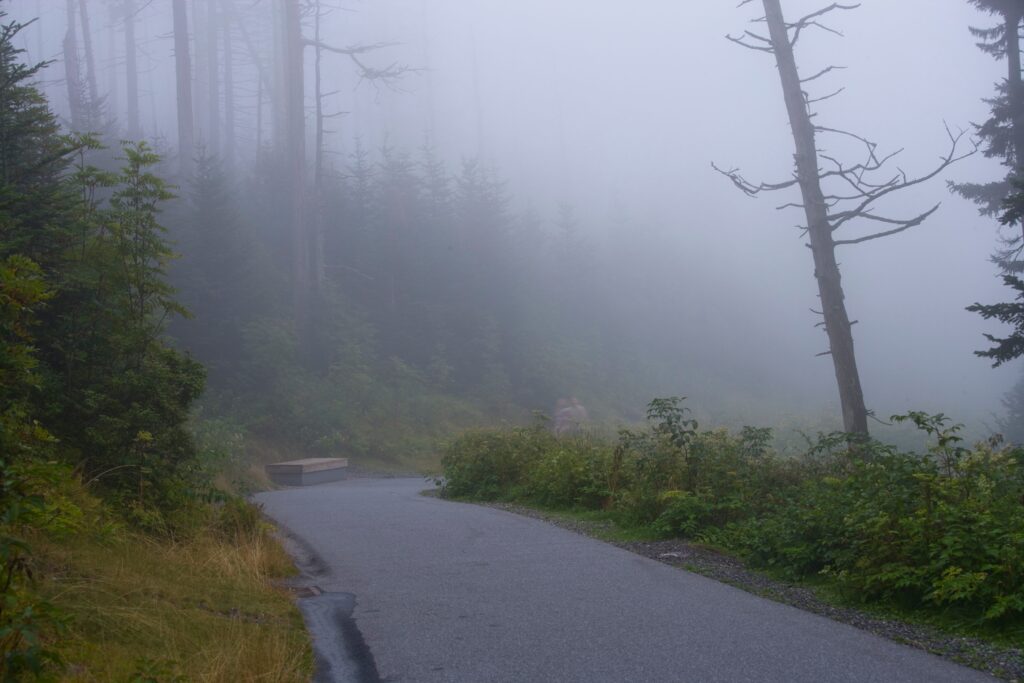
Summer travel does not have to revolve around crowded beaches, oppressive heat, and cloudless skies. Some of the country’s most memorable warm-weather escapes are defined by cool lake breezes, evergreen forests, rugged shorelines, and mornings softened by mist.
These five destinations offer more than beautiful scenery. Visitors can ride through California redwoods, explore Appalachian homesteads, climb above Wisconsin’s limestone bluffs, and cross landscapes that shift from rainforest to alpine wilderness. For travelers ready to experience a quieter and more atmospheric side of the season, these places can feel far removed from an ordinary summer vacation.
Olympic Peninsula, Washington
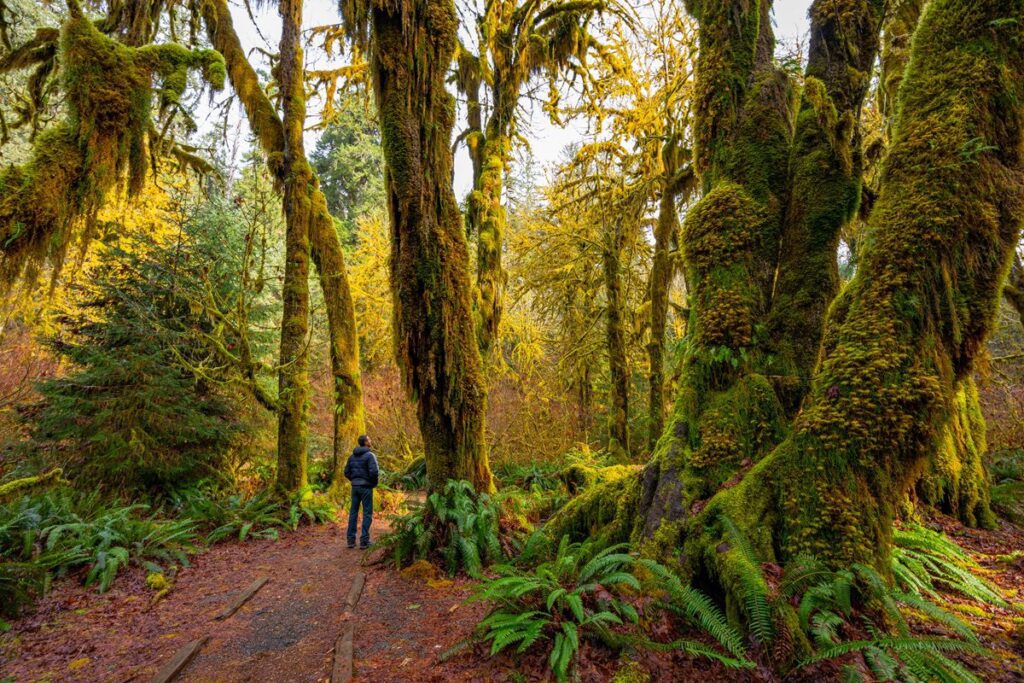
Few regions contain as much natural variety as Washington’s Olympic Peninsula. Encompassing nearly one million acres, Olympic National Park protects glacier-capped mountains, old-growth temperate rainforests, alpine lakes, and more than 70 miles of wild coastline. Its major areas are spread across a large peninsula, making it a destination best explored over several days rather than rushed in one outing.
The Hoh Rain Forest is one of the park’s defining landscapes and one of the finest remaining examples of temperate rainforest in the United States. Moss drapes from enormous Sitka spruce and western hemlock trees, while trails lead beneath a canopy that remains lush even during summer. Because the Hoh is also one of the park’s most popular destinations, early arrival is wise during the busy season.
Along the Pacific coast, Rialto Beach and Ruby Beach trade soft sand and resort amenities for sea stacks, driftwood, tide pools, and powerful surf. Visitors should check tide conditions before exploring beyond the main beach areas, as portions of the wilderness coastline can become impassable at high tide.
Farther inland, Lake Crescent offers deep, glacially carved waters surrounded by forest, while Hurricane Ridge provides access to the park’s mountain scenery when weather and road conditions cooperate. The variety is precisely what makes the peninsula so transporting. One day might begin among moss-covered trees and end beside a rocky beach beneath a hazy sunset.
Mendocino, California
Mendocino brings together the most atmospheric elements of Northern California: Pacific cliffs, historic architecture, forested parks, small galleries, and roads winding beneath redwoods. The village is surrounded on three sides by Mendocino Headlands State Park, where gentle trails follow the rugged coastline and Big River Beach provides access to the adjoining estuary.
A short drive north leads to Point Cabrillo Light Station State Historic Park. The restored lighthouse occupies a headland extending into the Pacific, accompanied by original lightkeepers’ homes and other historic buildings. Nearby Russian Gulch State Park adds a forested canyon, rocky headlands, beaches, a collapsed sea cave known as Devil’s Punchbowl, and a 36-foot waterfall surrounded by redwoods, ferns, and moss.
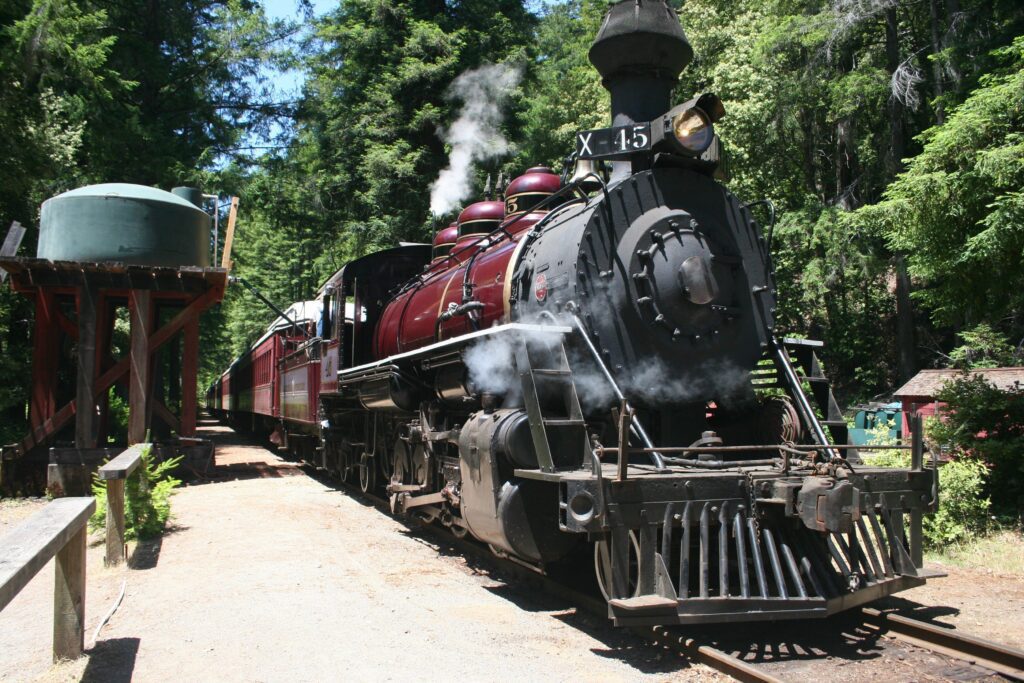
The region’s attractions extend beyond hiking. The historic Skunk Train has operated along Mendocino County’s Redwood Route since 1885. Current excursions from the Fort Bragg area carry passengers through redwood scenery, while electric railbike experiences follow tracks beside Pudding Creek. Routes and operating schedules vary, so travelers should review the available excursion before booking.
Fort Bragg also makes an easy addition to a Mendocino Coast itinerary. Visitors can walk the coastal trails near Glass Beach, explore the harbor, or return to Mendocino for galleries, restaurants, and an evening overlooking the Pacific.
Minnesota’s North Shore
Minnesota’s North Shore follows Lake Superior from Duluth toward the Canadian border, connecting waterfalls, volcanic rock formations, pine forests, harbor communities, and expansive lake views. Highway 61 provides the main route through the region, turning the journey itself into part of the experience.
At Gooseberry Falls State Park, the Gooseberry River descends through a rocky gorge in a series of upper, middle, and lower falls before reaching Lake Superior. The park also contains shoreline views, wildlife habitat, and historic stone and log structures built by the Civilian Conservation Corps.
Farther north, Split Rock Lighthouse stands on a 130-foot cliff above the lake. The Minnesota Historical Society manages the lighthouse site, while the surrounding state park offers shoreline trails, camping, and connections to the Superior Hiking Trail.
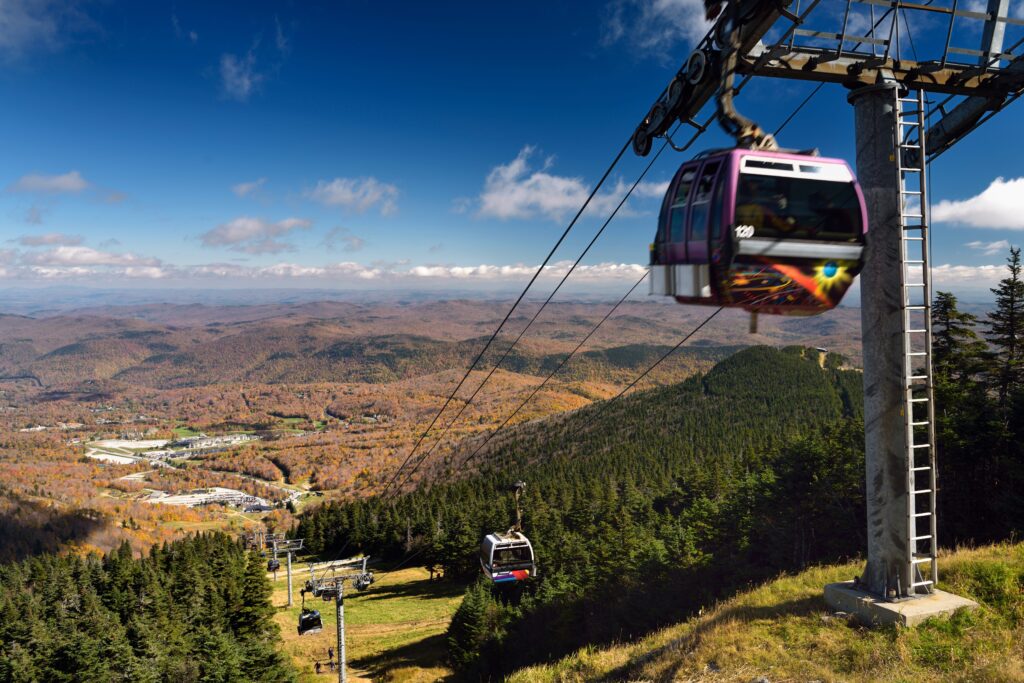
The route continues past Tettegouche State Park and the high cliffs of Palisade Head before reaching Grand Marais, an arts-oriented harbor town where Artist’s Point extends into Lake Superior. Visitors can also hike sections of the Superior Hiking Trail or ride the Summit Express Gondola at Lutsen Mountains for elevated views of the Sawtooth Mountains, Poplar River Valley, and Lake Superior. The gondola is operating for scenic rides during the 2026 summer season, although dates and hours should be checked before visiting.
With waterfalls, lighthouse history, mountain views, and harbor-town culture, the North Shore offers considerably more variety than a traditional lakeside retreat. More itinerary ideas can be found through Explore Minnesota.
Great Smoky Mountains National Park, Tennessee and North Carolina
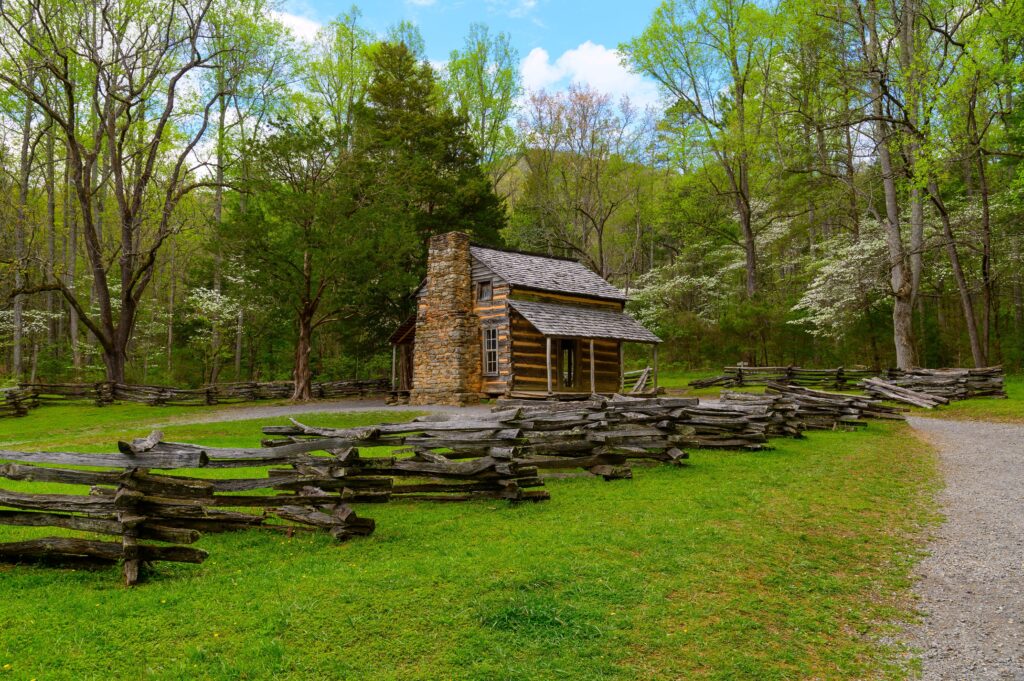
The layered blue haze of the Great Smoky Mountains gives the region its unmistakable atmosphere. The effect is connected to naturally occurring compounds released by the area’s abundant vegetation, which contribute to the bluish cast seen across distant ridgelines.
Straddling Tennessee and North Carolina, Great Smoky Mountains National Park is known for its biological diversity, ancient mountains, and preserved Southern Appalachian culture. It also remains the most visited national park in the United States.
Cades Cove offers one of the best introductions to the park. An 11-mile, one-way loop road circles the mountain valley, providing access to historic homesites, churches, cemeteries, hiking trails, and wildlife-viewing areas. Traffic can be heavy, but the scenery and preserved structures make it one of the park’s essential experiences.
For higher-elevation views, visitors can travel to Kuwohi, the mountain formerly called Clingmans Dome. The Cherokee name was officially restored in 2024. Kuwohi is Tennessee’s highest point and the third-highest summit east of the Mississippi River.
The Roaring Fork Motor Nature Trail presents a more intimate landscape of rushing streams, forest, and historic buildings. Nearby, the trail to Grotto Falls runs through old-growth forest and rhododendron to the only waterfall in the park that visitors can walk behind. The 2.6-mile round-trip hike is popular, and parking can be difficult during busy periods.
Door County, Wisconsin
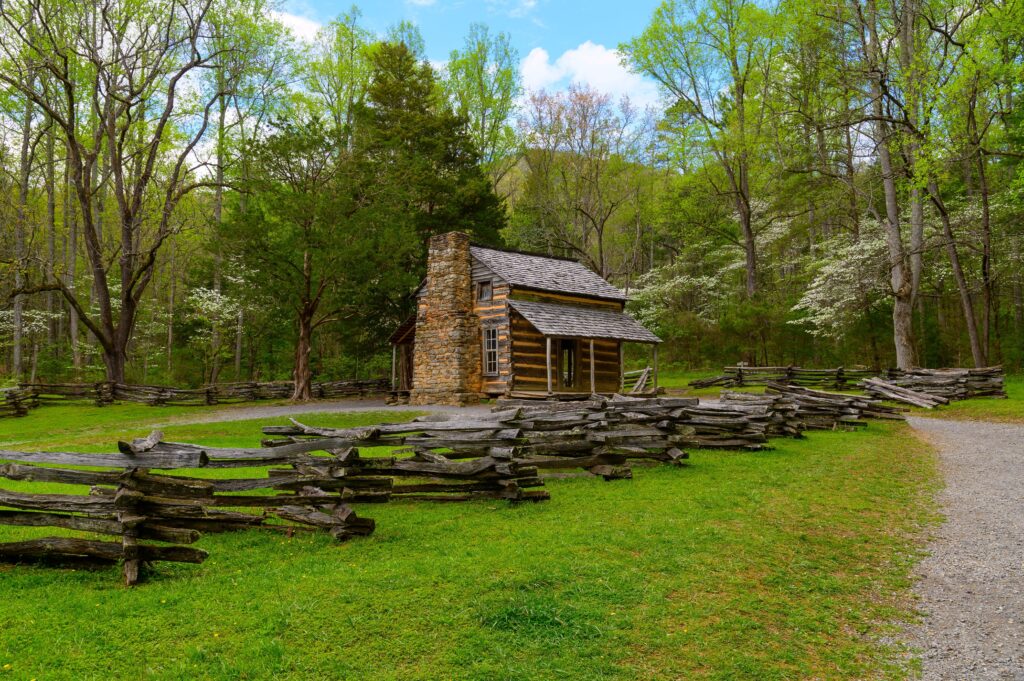
Door County occupies a narrow Wisconsin peninsula between Green Bay and Lake Michigan. Its more than 300 miles of shoreline are joined by lakeside villages, cedar forests, limestone cliffs, beaches, lighthouses, orchards, and protected parkland.
Peninsula State Park is one of the region’s most varied destinations. Its eight miles of shoreline accompany hiking and biking trails, a beach, golf course, summer theater, campground, and the historic Eagle Bluff Light Station. Eagle Tower rises above the Niagara Escarpment, with visitors reaching its observation deck by stairs or an accessible canopy walk.
On the Lake Michigan side of the peninsula, Cave Point County Park is known for wave-carved limestone ledges and underwater caves. Trails follow the shoreline and connect with neighboring Whitefish Dunes State Park, while local outfitters offer paddling excursions when lake conditions permit.
The surrounding communities make Door County more than an outdoor destination. Fish Creek, Ephraim, and Sister Bay offer galleries, shops, waterfront restaurants, and access to the peninsula’s longstanding cherry-growing traditions. Travelers can also tour historic lighthouses, attend an outdoor performance, explore Washington Island, or simply follow the shoreline from one harbor community to the next.
Discover a Different Side of Summer
These destinations show that summer’s best landscapes are not always the hottest or sunniest. Washington’s rainforests, California’s redwood coast, Minnesota’s waterfalls, the hazy ridges of the Smokies, and Wisconsin’s limestone shoreline each offer a distinctive combination of scenery and adventure.
Pack a light layer, leave room for changing weather, and embrace the possibility of a cool morning or misty overlook. Sometimes the places that feel most removed from ordinary life are the ones where the landscape refuses to follow the usual summer script.