Philadelphia doesn’t so much hide its weird as it does casually scatter it across sidewalks, behind museum vitrines, and inside crumbling prison walls, like a city that once tried to organize its oddities alphabetically and then gave up halfway through. If you’re the kind of traveler who prefers your destinations with a side of the uncanny, welcome. This is your map to Philly’s delightfully peculiar underbelly.
Cabinets of Curiosity, Turned All the Way Up
The Mütter Museum doesn’t take a conventional approach to medical history. Inside, exhibits range from a dramatically enlarged human colon to the Soap Lady, a body preserved through a rare chemical process, along with slides of Albert Einstein’s brain tissue.
Founded in 1858 as a teaching collection, the museum is still rooted in education, offering a close look at the complexities of the human body and the history of medicine. It’s a place that tends to leave an impression, equal parts fascinating and thought-provoking.
Philadelphia’s Magic Gardens
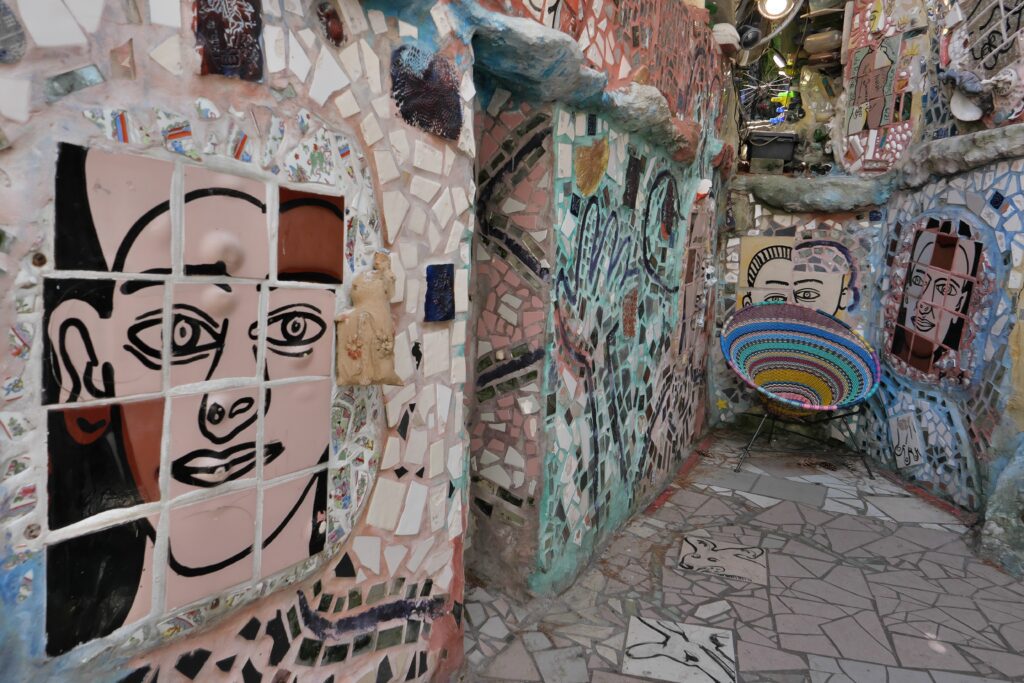
Philadelphia’s Magic Gardens is an immersive mosaic environment that spans half a city block. Artist Isaiah Zagar transformed the space using tiles, mirrors, bottles, and other found materials, creating a network of tunnels, staircases, and layered walls.
Saved from demolition through a community effort, the site now operates as a nonprofit with exhibitions and public programs. It also connects to a wider collection of murals installed by Zagar throughout the surrounding neighborhood.
Eastern State Penitentiary
Eastern State Penitentiary offers a look inside one of the most influential prisons in American history. Opened in 1829, it introduced a system of solitary confinement that shaped correctional design around the world.
Visitors can explore the original cellblocks, view Al Capone’s restored cell, and follow an audio tour that shares the site’s history. Today, the preserved ruins also host rotating art installations that add contemporary perspectives to the space.
Toynbee Tiles
The Toynbee Tiles are small, cryptic messages embedded in streets across Philadelphia. Made from linoleum and asphalt, they often reference the phrase “TOYNBEE IDEA… RESURRECT DEAD… PLANET JUPITER.”
They have appeared since the 1980s and remain unattributed, with no confirmed creator. Many have disappeared over time due to road resurfacing, making the remaining tiles increasingly difficult to find.
Mummers Parade
The Mummers Parade is a long-running New Year’s Day tradition held each year on Broad Street. Dating back to 1901, the event features performances from different divisions, including Comics, Fancies, String Bands, and Fancy Brigades.
Participants spend months preparing elaborate costumes and choreographed routines, often set to banjo-driven music. It remains one of the oldest continuous folk traditions in the United States.
Singing Fountain
Located on East Passyunk Avenue, the Singing Fountain serves as a central gathering point in the neighborhood. The decorative structure features sculptural elements such as cherubs, storks, and a mermaid, along with integrated sound and lighting effects.
Installed in 2004 as part of a revitalization effort, it sits along one of Philadelphia’s most active dining corridors and is a popular place to pause while exploring the area.
Laurel Hill Cemetery
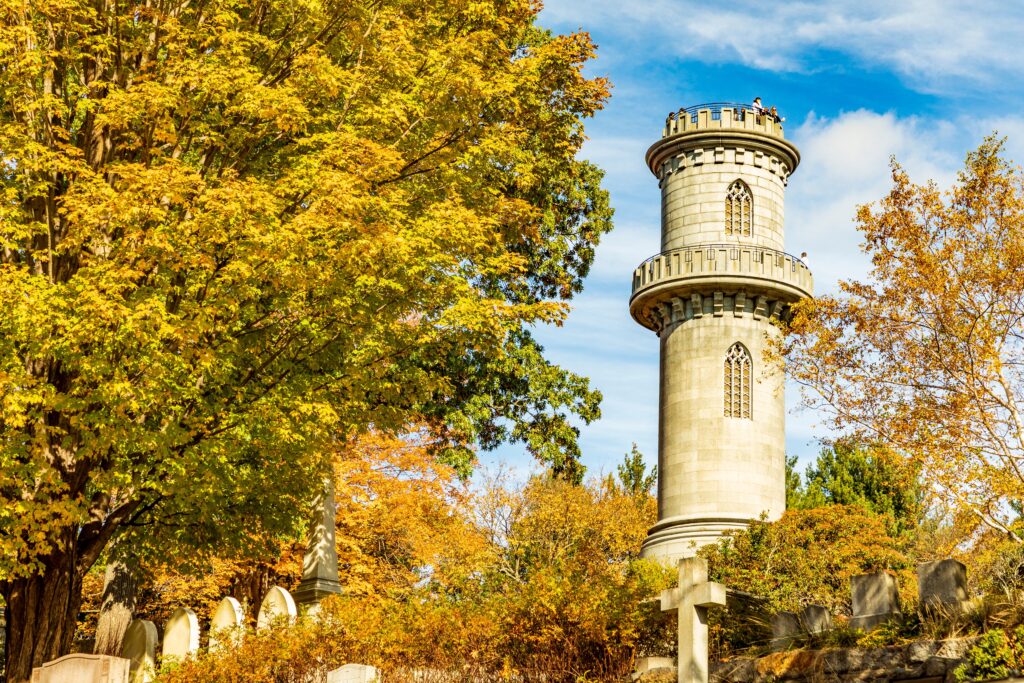
Laurel Hill Cemetery is a historic site that combines landscape design with monumental sculpture. Established in 1836, it was one of the first rural garden cemeteries in the United States.
Visitors can walk among Victorian-era tombs and mausoleums while taking in views of the Schuylkill River. The cemetery also hosts tours, bird walks, and seasonal events throughout the year.
Wagner Free Institute of Science
The Wagner Free Institute of Science is a 19th-century museum that has remained largely unchanged since the late 1800s. Its collection includes more than 100,000 natural history specimens, displayed in original glass cases.
Founded in 1855, the institute continues to offer free admission along with educational programming and lectures in its historic hall.
Queen & Rook Game Café
Queen & Rook Game Café combines a restaurant and bar with an extensive library of more than 2,500 board games. Guests can choose games to play at their table, with staff available to make recommendations and explain rules.
The café also hosts events such as trivia nights, role-playing games, and tournaments, making it a hub for both casual visitors and dedicated players.
Fabric Workshop and Museum
The Fabric Workshop and Museum focuses on experimental approaches to textiles and contemporary art. Founded in 1977, it works with artists in residence to develop new pieces that explore materials and process.
Exhibitions rotate regularly and often highlight unconventional uses of fabric and mixed media. The space emphasizes both the finished work and the creative process behind it.