Some museums ask you to admire paintings. Others invite you to sniff fermented shark, design your own Cup Noodles or stand beside a three-meter chocolate fountain. Around the world, food gets wonderfully specific in museums devoted to everything from fries and kimchi to Parma ham and foods designed to test the limits of your appetite. Come curious, and in several cases, come hungry.
Disgusting Food Museum — Malmö, Sweden
How adventurous is your appetite, really? The Disgusting Food Museum puts that question to the test with around 80 foods from cultures around the world, all chosen to challenge ideas about what counts as delicious, edible or downright revolting. Exhibits explore the cultural and biological side of disgust, while brave visitors can smell and taste selected foods along the way. It is less about grossing people out for laughs and more about showing how dramatically food preferences change from one culture to another.
CUPNOODLES Museum — Yokohama, Japan
Instant ramen gets the full interactive treatment at the CUPNOODLES Museum Yokohama, which celebrates Momofuku Ando and the invention of Chicken Ramen and Cup Noodles. The biggest draw is the My CUPNOODLES Factory, where visitors decorate their own cup, choose from four soups and select four of 12 toppings, creating one of 5,460 possible flavor combinations. There is also a Chicken Ramen Factory for making noodles from scratch, a world-noodle food area and exhibits tracing the surprisingly inventive history behind an everyday pantry staple. Popular activities can fill up, so plan ahead if making your own noodles is a must.
Frietmuseum — Bruges, Belgium
Belgium takes fries seriously enough to give them their own museum. The Frietmuseum traces the potato from its South American origins through the development of Belgium’s beloved fry culture, with interactive exhibits, potato-themed artifacts and plenty of fry trivia along the way. The setting adds to the fun: the museum occupies the historic Saaihalle in central Bruges. Finish downstairs in the medieval cellar, where visitors can buy traditionally prepared Belgian fries and finally put all that newly acquired potato knowledge to delicious use.
Museum Kimchikan — Seoul, South Korea
Kimchi is far more than fermented cabbage, and Museum Kimchikan dives into its history, varieties and importance to Korean food culture. Located in Seoul’s Insa-dong neighborhood, the museum explores fermentation and kimjang, the communal tradition of preparing kimchi. The experience becomes even better if you can snag one of its hands-on programs. Current offerings include beginner kimchi-making classes as well as longer experiences that combine making kimchi with preparing dishes that use it. English-language programming is available for select sessions.
Parma Ham Museum — Langhirano, Italy
Prosciutto di Parma gets the spotlight at the Parma Ham Museum in Langhirano, right in the heart of Parma ham country. Exhibits explore the landscape, climate, history and curing techniques that make the region’s famous prosciutto possible, along with the tools and traditions behind production. More importantly for hungry visitors, the experience does not have to end with glass cases. Tastings of Prosciutto di Parma are available, and the museum restaurant serves local specialties such as cured meats, Parmigiano Reggiano and regional wines. The museum operates seasonally, so check current opening days before making the trip.
Alimentarium — Vevey, Switzerland
The Alimentarium takes a much bigger bite out of the subject of food. Rather than focusing on one dish or ingredient, the museum examines how food is grown, produced, distributed, consumed and wasted around the world. Its SYSTEMA ALIMENTARIUM exhibition tackles subjects such as biodiversity, agriculture, nutrition, inequality and the future of global food systems through interactive displays. There is a culinary side, too, with cooking workshops and an open kitchen where chefs share techniques and seasonal specialties. It is a thoughtful counterpoint to the quirkier stops on this list, but still very hands-on.
Choco-Story Brussels — Brussels, Belgium
Chocolate history sounds considerably better when samples are involved. At Choco-Story Brussels, visitors follow roughly 5,000 years of cocoa history, from early Mesoamerican use to chocolate at European courts and the creation of the Belgian praline. More than 600 collection pieces, interactive stations and an audio guide fill out the story. The sweetest part comes at the end, when chocolatiers demonstrate traditional praline making and visitors get to taste the results. Chocolate tastings are included throughout the experience, and optional workshops let you make your own treats.
Chocolate Museum Cologne — Cologne, Germany
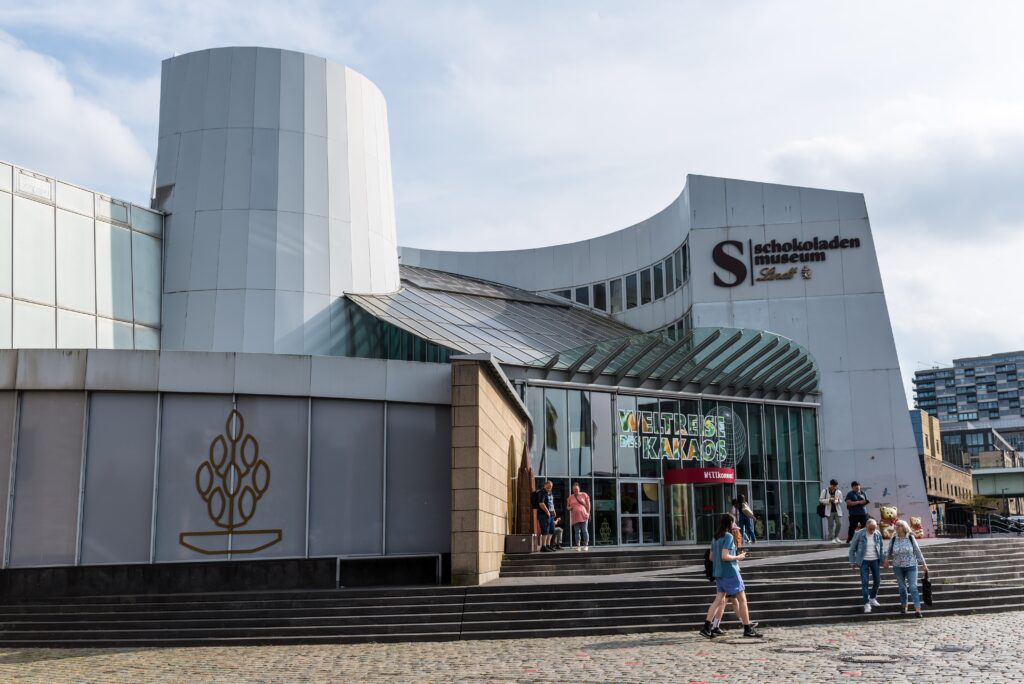
A three-meter-high fountain bubbling with roughly 200 kilograms of chocolate is a pretty convincing opening argument for visiting the Chocolate Museum Cologne. Set along the Rhine, the museum covers more than 4,000 square meters and traces around 5,000 years of cocoa history. Wander through a tropical greenhouse with real cocoa plants, explore pre-Columbian artifacts and historic chocolate-making equipment, then watch production through the glass-walled chocolate factory. Chocolatiers also make pralines and bars on-site, and yes, that famous fountain is there for tasting.