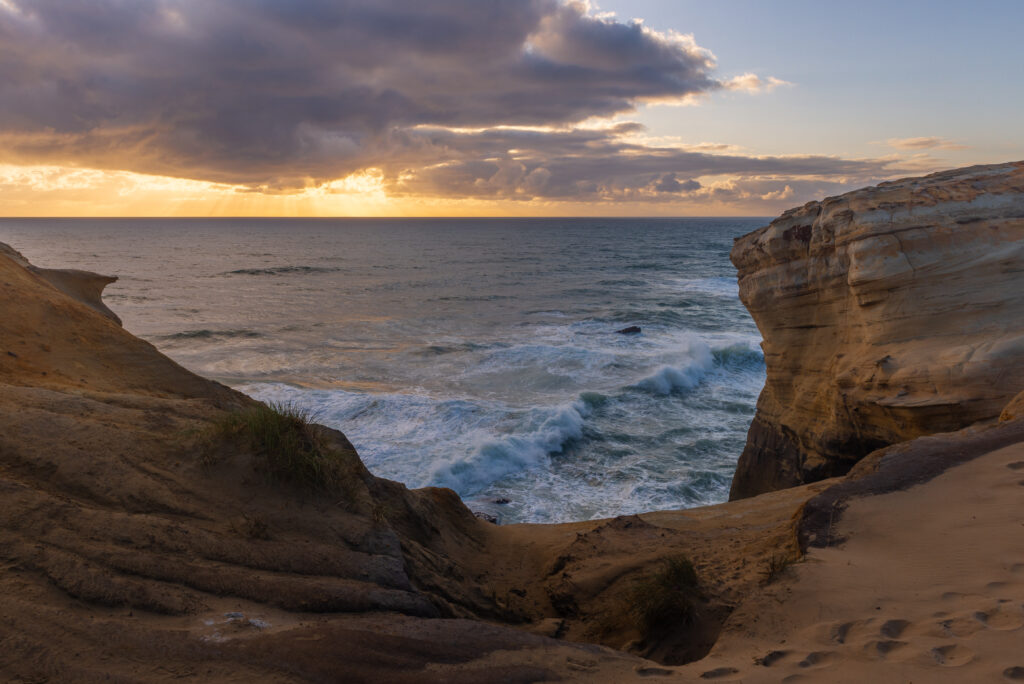
Golden hour can turn an already beautiful landscape into something extraordinary. In the moments after sunrise and before sunset, softer light, warmer colors, and longer shadows bring out details that disappear beneath the harsh midday sun.
Across the United States, some destinations seem practically designed for those fleeting minutes. White gypsum dunes blush pink beneath a desert sky, sandstone cliffs glow above the Pacific, and strange hoodoos cast dramatic shadows across landscapes that already look otherworldly.
Whether you shoot with professional gear or simply refuse to travel without your phone camera, these 10 destinations are worth chasing the light for.
1. Bisti/De-Na-Zin Wilderness (New Mexico)
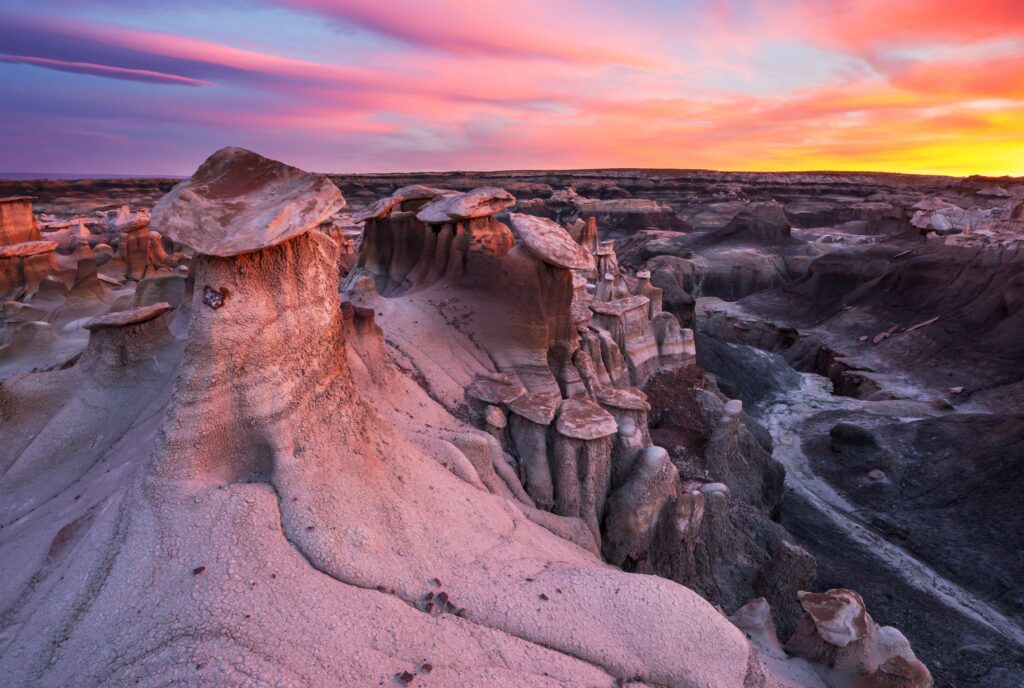
There are few landscapes in the United States quite like Bisti/De-Na-Zin Wilderness. This remote stretch of northwestern New Mexico protects more than 40,000 acres of eroded badlands filled with hoodoos, petrified wood, sandstone formations, and fossils dating to the Late Cretaceous.
Late-day light makes the landscape even more unusual. Low sunlight throws long shadows across the hoodoos and brings out subtle shades of brown, gold, gray, and red in the surrounding badlands. The formations popularly known as the Alien Throne and surrounding hoodoos have become especially sought-after subjects for landscape photographers.
This is true wilderness, however. Routes are largely unmarked, cell service is minimal or nonexistent, and BLM warns that access roads can become slippery or impassable after rain or snow. Bring plenty of water, download maps before arriving, and leave enough daylight to navigate back safely. Drones are prohibited within the wilderness area.
Don’t miss: The hoodoo fields and formations around the Bisti badlands during late-afternoon light.
Best for: Otherworldly desert landscapes
2. Valley of Fire State Park (Nevada)
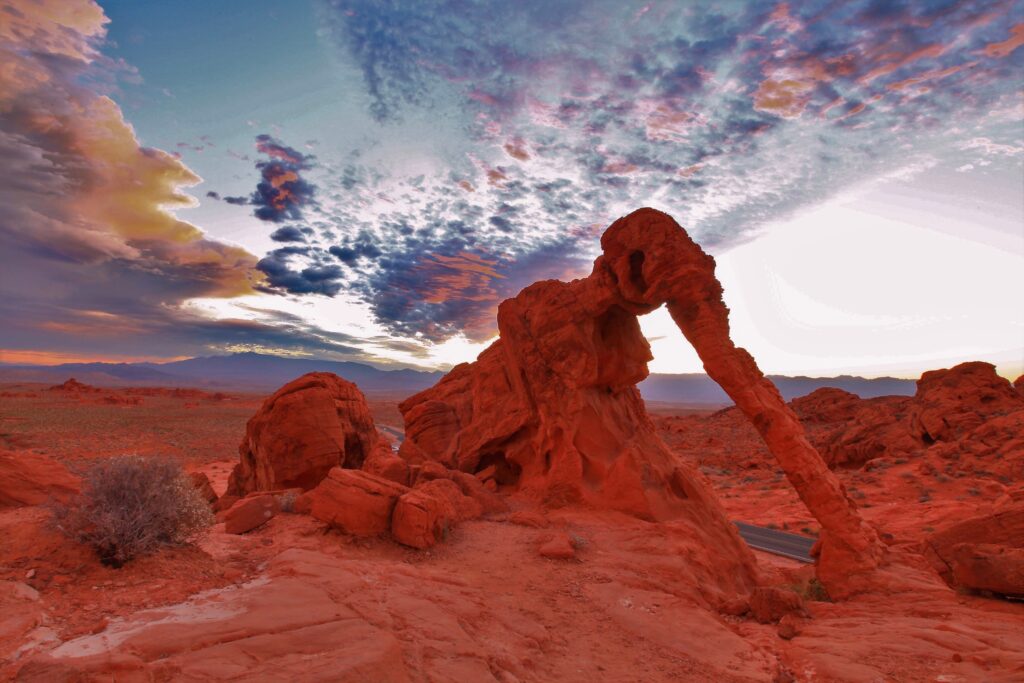
About an hour northeast of Las Vegas, Valley of Fire State Park is famous for its brilliant red Aztec sandstone. When the sun begins to sink, those already colorful formations can deepen into shades of orange, rust, and crimson.
The park offers plenty of photographic variety, from sculpted sandstone and sweeping desert vistas to recognizable formations such as Elephant Rock. Fire Wave and White Domes are also popular stops when conditions and seasonal access allow.
There is one important planning consideration: Nevada State Parks closes several trails annually from May 15 through September 30 because of extreme heat, including Fire Wave, White Domes, Seven Wonders, Pastel Canyon, and several others. The park also undergoes an annual closure from December 1 through December 14.
Don’t miss: Elephant Rock and the park’s scenic roadside formations near sunset. Visit Fire Wave and White Domes outside their seasonal closure period.
Best for: Fiery desert colors
3. Palo Duro Canyon State Park (Texas)
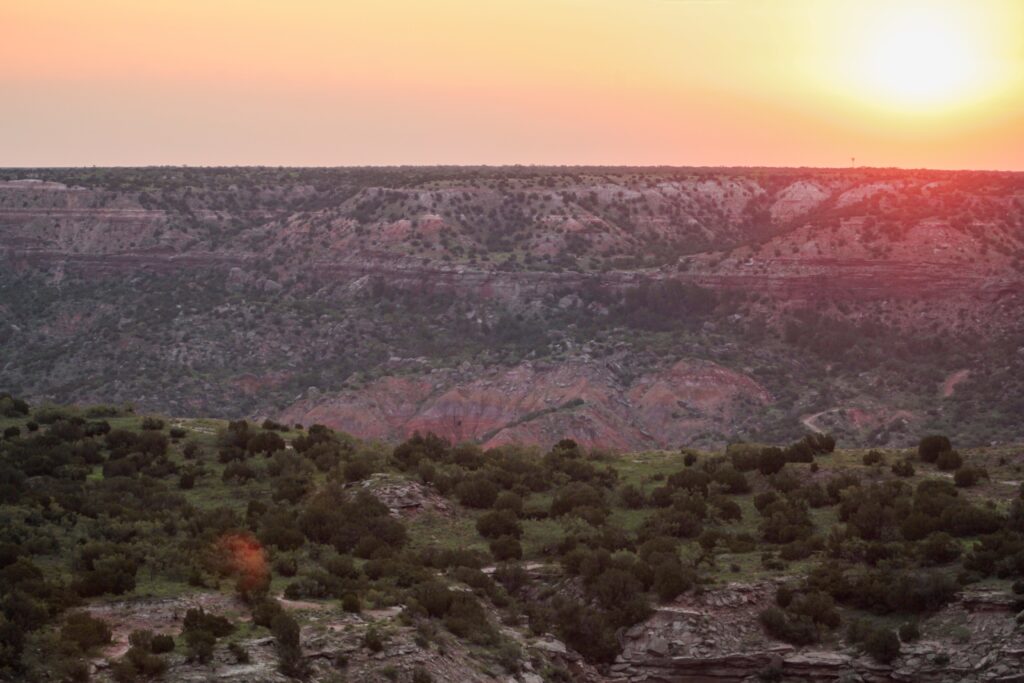
Palo Duro Canyon is one of the Texas Panhandle’s great surprises. Layers of red, orange, yellow, and brown rock stretch across a vast canyon landscape, giving photographers plenty to work with as sunlight moves across the walls.
The park’s famous Lighthouse formation is a must-see, but it requires more planning than a quick sunset stop. The Lighthouse Trail is 2.8 miles each way, and Texas Parks & Wildlife specifically warns visitors to carry plenty of water because many of the park’s heat-related emergencies occur along this route. Trails including Lighthouse can also close from 11 a.m. to 5 p.m. during National Weather Service heat advisories.
For golden hour, photograph the Lighthouse earlier in the day and save the final light for one of the park’s easier-to-access canyon viewpoints. Reddit hikers also frequently praise the nearby Givens, Spicer, Lowry Trail for striking scenery and lighter foot traffic than the Lighthouse route.
Don’t miss: The Lighthouse during a daytime hike, followed by golden-hour views from the canyon’s scenic overlooks.
Best for: Colorful canyon landscapes
4. Pictured Rocks National Lakeshore (Michigan)
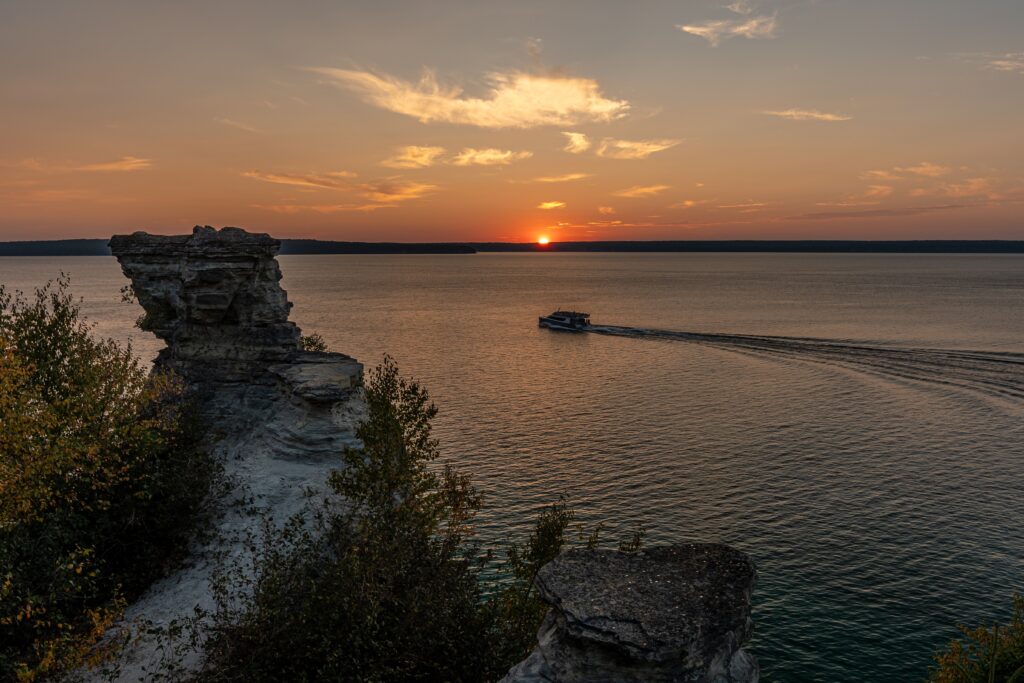
Stretching along Lake Superior in Michigan’s Upper Peninsula, Pictured Rocks National Lakeshore combines sandstone cliffs, beaches, forests, waterfalls, dunes, and brilliantly colored mineral stains.
The park’s namesake cliffs extend for roughly 15 miles, with groundwater carrying minerals through the sandstone and leaving streaks of brown, orange, white, black, and green across the rock.
For sunset photography, Sand Point is an especially smart land-based choice. The National Park Service specifically identifies the beach as a popular place to watch the sun set over Munising Bay. Miners Beach can also produce striking evening compositions.
For the classic cliff views, consider taking an authorized boat tour. NPS notes that tours operate seasonally, generally from mid-May through mid-October, and travelers on Reddit regularly praise the sunset cruises for the changing light along the cliffs.
Don’t miss: Sand Point at sunset or an evening cruise along the Pictured Rocks cliffs.
Best for: Lakeshore landscapes and colorful sandstone
5. Driftwood Beach (Jekyll Island, Georgia)
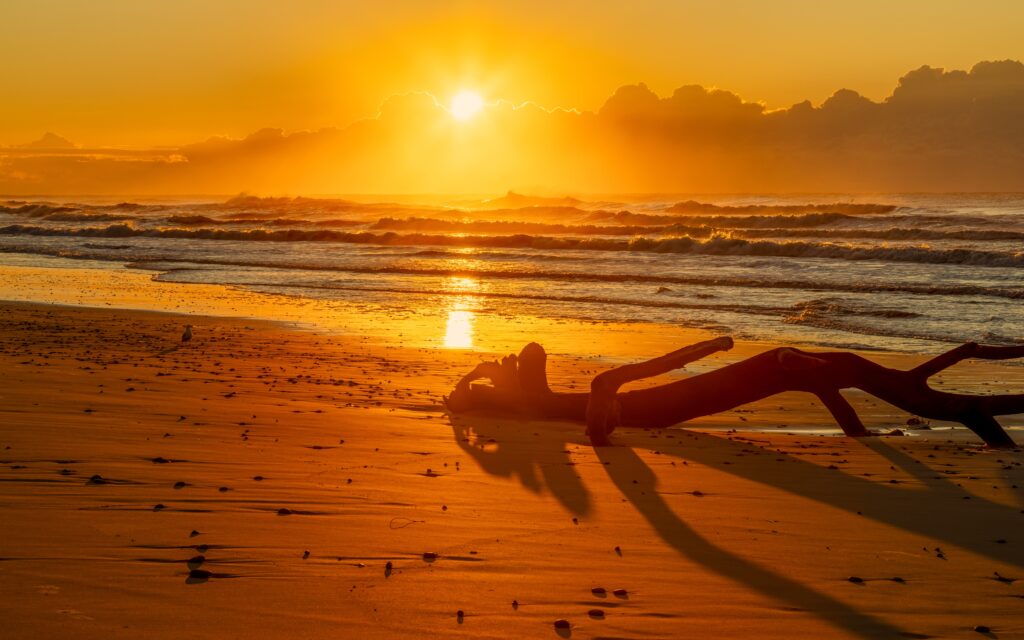
Driftwood Beach is one of the most distinctive shorelines on the East Coast. Weathered trees, exposed roots, and massive pieces of driftwood line the waterfront, creating a natural collection of sculptures against the Atlantic.
Jekyll Island specifically highlights the beach as one of the island’s best places for photography, and it is easy to understand why.
Because this side of Jekyll Island faces generally east, sunrise is the real star. Early light can silhouette the trees against the horizon before illuminating their pale, twisted trunks. Lower tides can reveal additional stretches of sand and shallow pools that add reflections to compositions.
Photographers on Reddit consistently highlight sunrise here as a bucket-list shoot, with visitors describing early-morning sessions before the beach fills with people.
Don’t miss: Sunrise among the driftwood.
Best for: Atmospheric coastal photography
6. White Sands National Park (New Mexico)
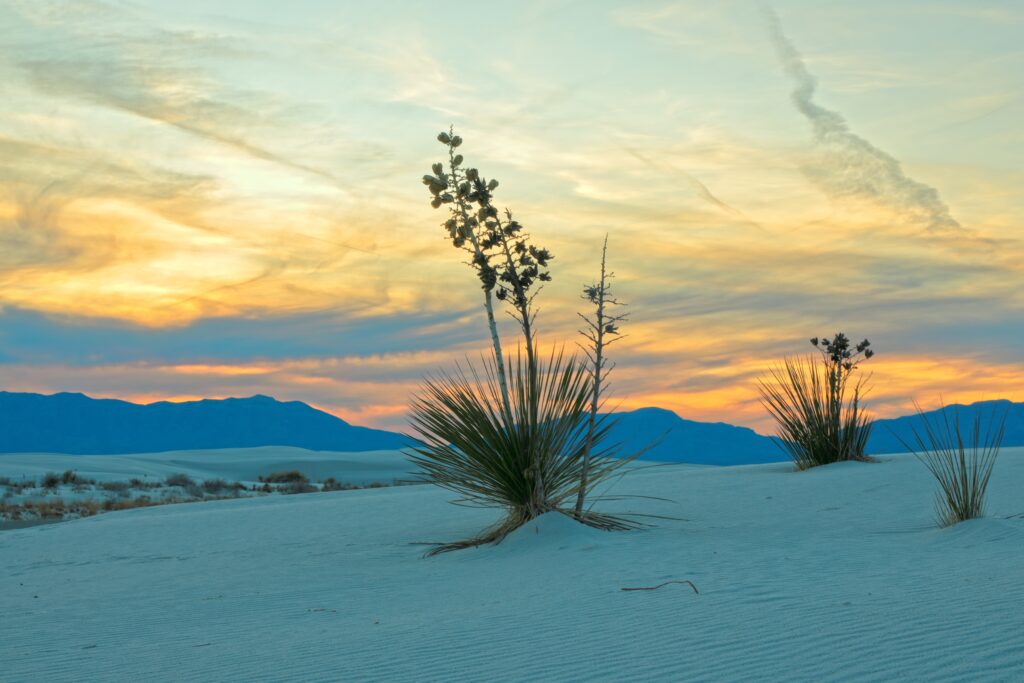
White Sands National Park protects a huge portion of the world’s largest gypsum dunefield, where wave-like white dunes stretch across New Mexico’s Tularosa Basin.
Sunset is among the park’s most popular times to visit, and for photographers, it is easy to see why. As direct sunlight fades, the dunes reflect colors from the sky and can shift through shades of pink, lavender, peach, blue, and gold. Long shadows also reveal the wind-carved ridges and patterns that are harder to see beneath midday light.
The park’s ranger-led Sunset Stroll is another option. The program is timed to conclude around sunset and is offered on select days depending on season, staffing, weather, and park conditions. As of the park’s August 2026 update, the stroll runs Friday through Sunday when available, with times changing throughout the year.
Don’t miss: Sunset deep within the dune field or a ranger-led Sunset Stroll when offered.
Best for: Minimalist landscapes and pastel skies
7. Badlands National Park (South Dakota)
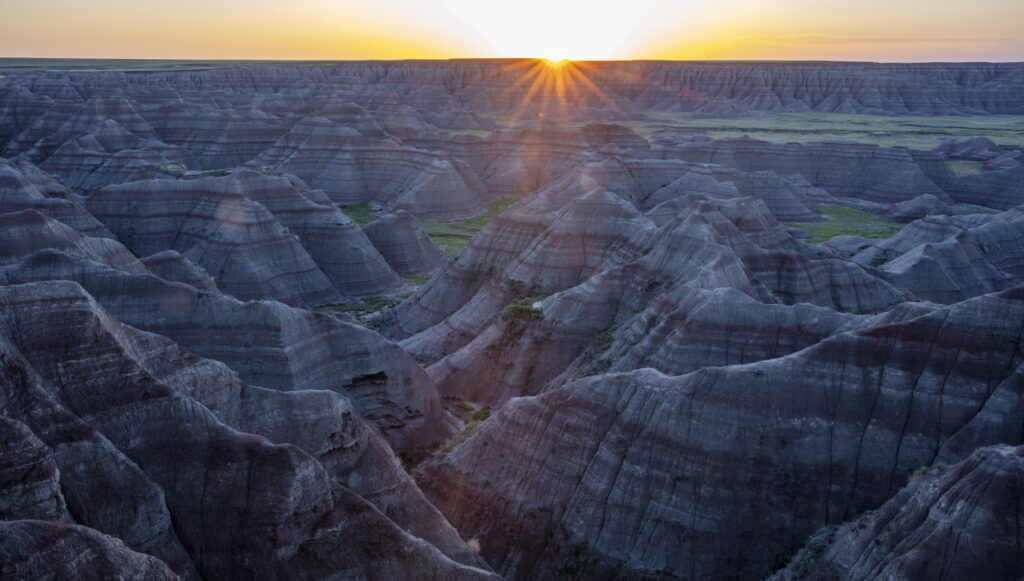
Badlands National Park is built for dramatic light. Jagged pinnacles, layered buttes, eroded ridges, and sprawling prairie provide constantly changing shapes as the sun moves across the landscape.
The National Park Service even publishes specific recommendations for photographing sunrise and sunset here. During golden hour, reds, yellows, and buff-colored rock become richer while long shadows add depth to the formations.
For sunrise, NPS recommends Big Badlands Overlook, Door Trail, Panorama Point, and several other locations. Sunset photographers should instead consider Pinnacles Overlook, Conata Basin Overlook, Bigfoot Pass Picnic Area, or the Norbeck Pass area.
That makes Badlands particularly convenient for photographers: many of the best viewpoints are accessible directly from the park’s scenic roads, allowing you to change locations as the light evolves.
Don’t miss: Big Badlands Overlook at sunrise or Pinnacles Overlook at sunset.
Best for: Textured landscapes and dramatic shadows
8. Dead Horse Point State Park (Utah)
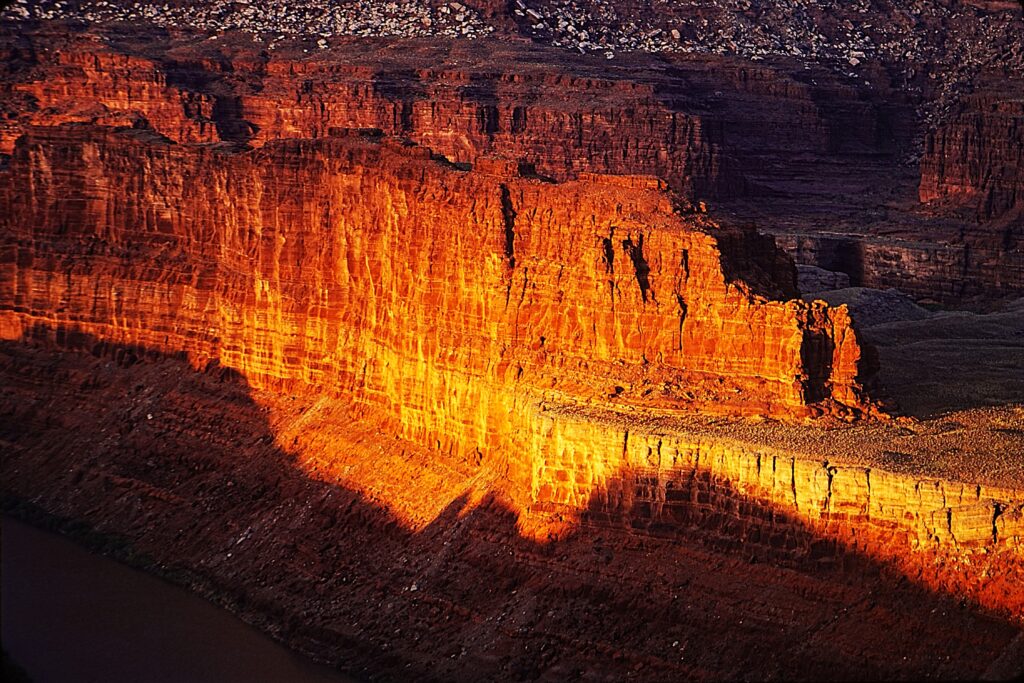
Few overlooks deliver an immediate sense of scale quite like Dead Horse Point.
The park rises roughly 2,000 feet above the Colorado River, with immense cliffs and canyons extending across the surrounding desert. The main Dead Horse Point Overlook is reached by a short paved path and provides sweeping views over the river and canyon country below.
Late-afternoon light is especially striking as the red rock warms and shadows gradually stretch across the canyon. Stay through sunset if conditions are favorable because the character of the landscape can change dramatically within minutes.
The park also has about seven miles of rim trails linking nine different overlooks, giving photographers alternatives to the main viewpoint.
Sunset photography is a favorite among Utah visitors on Reddit as well, although photographers should check current park regulations before planning any drone photography.
Don’t miss: Dead Horse Point Overlook during the final hour before sunset.
Best for: Sweeping canyon vistas
9. Bombay Beach (California)
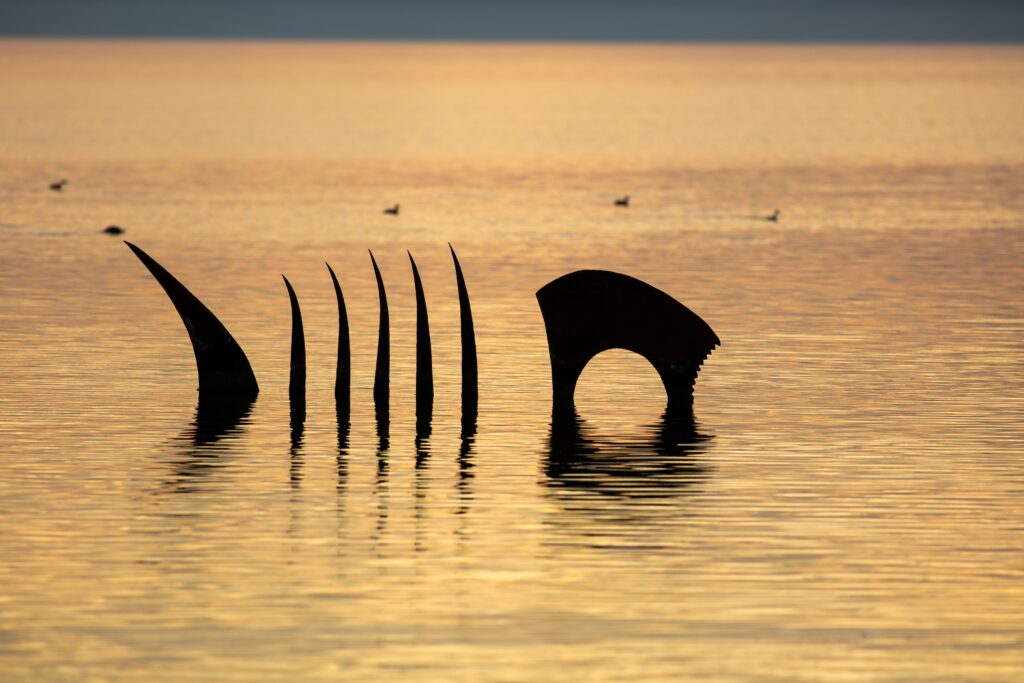
Bombay Beach offers something completely different from the polished landscapes typically associated with golden-hour photography.
Sitting along the eastern shore of the Salton Sea, the tiny desert community has become known for its eclectic collection of outdoor artwork, weathered structures, unusual installations, and stark shoreline. Photographers who prefer strange, moody, or experimental scenes can find compositions here that look unlike almost anywhere else in California.
Late-day light is particularly effective. Warm desert tones contrast with the still water and unusual artwork, while colorful skies can give the entire shoreline a surreal, cinematic quality.
That atmosphere is exactly what draws photographers and travelers on Reddit, where visitors regularly describe Bombay Beach as eerie, artistic, post-apocalyptic, and unusually photogenic. Recent visitors in 2026 continue to share sunset and art photography from the community.
Remember that Bombay Beach is also a living community, not an abandoned attraction. Photograph respectfully and don’t enter buildings or private property without permission.
Don’t miss: The outdoor art and Salton Sea shoreline around sunset.
Best for: Moody and experimental photography
10. Cape Kiwanda State Natural Area (Oregon)
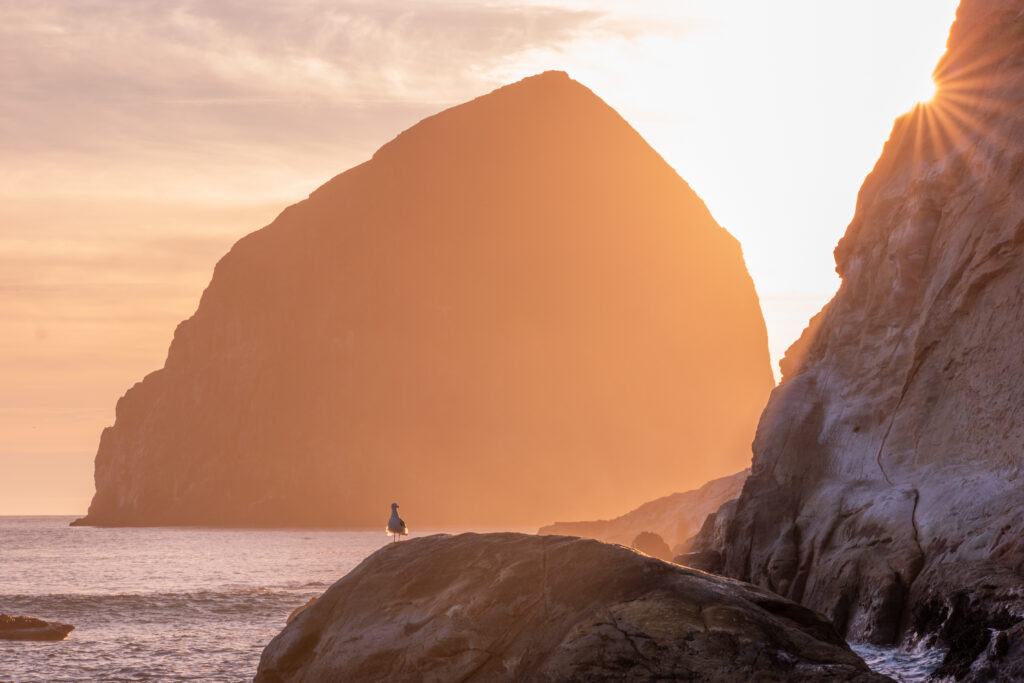
Cape Kiwanda combines many of the elements photographers seek along the Oregon Coast: sandstone cliffs, a towering dune, offshore rocks, crashing surf, and expansive views over the Pacific.
Oregon State Parks describes the headland as one of the coast’s best places for witnessing the power of the ocean. The steep climb up the dune rewards visitors with views over waves, rugged rock formations, and the surrounding coastline.
Late-afternoon and sunset light can bring out the warm tones of the sandstone while creating silhouettes along the water. Cape Kiwanda is also frequently recommended by Oregon Coast travelers looking specifically for dramatic sunset locations.
There is an important safety caveat. Cape Kiwanda’s sandstone cliffs are fragile and can collapse without warning. Oregon State Parks warns visitors to remain behind all fences and barriers, and sinkholes discovered near the lower northwest corner of the dune prompted officials to move protective fencing farther inland.
You don’t need to approach the edge for a great photograph. The established viewpoints and beach offer plenty of drama.
Don’t miss: Sunset from the dune or beach while remaining behind all safety barriers.
Best for: Pacific Northwest seascapes
Chase the Light
The best golden-hour photographs don’t always come with cloudless skies and perfect weather. Thin clouds can catch sunset color, incoming storms can add drama, and even haze can soften a distant landscape in unexpected ways.
Arrive before golden hour begins so you have time to scout your location and decide where the light is likely to fall. At remote destinations such as Bisti/De-Na-Zin, make navigation and the return trip part of that planning. At coastal locations, check tides and keep a safe distance from surf and unstable cliffs.
And don’t pack the camera away the moment the sun disappears. The transition from golden hour into blue hour can produce some of the richest colors of the day.
From the white dunes of New Mexico to the sandstone cliffs of Oregon, these destinations prove that sometimes finding the right photograph isn’t just about where you go. It’s about being there when the light changes.