Whether you’re chasing autumn colors, spring blooms, or just some serious contemplation, these historic gardens in Kyoto deliver beauty, tranquility, and views worth the detour.
Karesansui at Ryoanji Temple
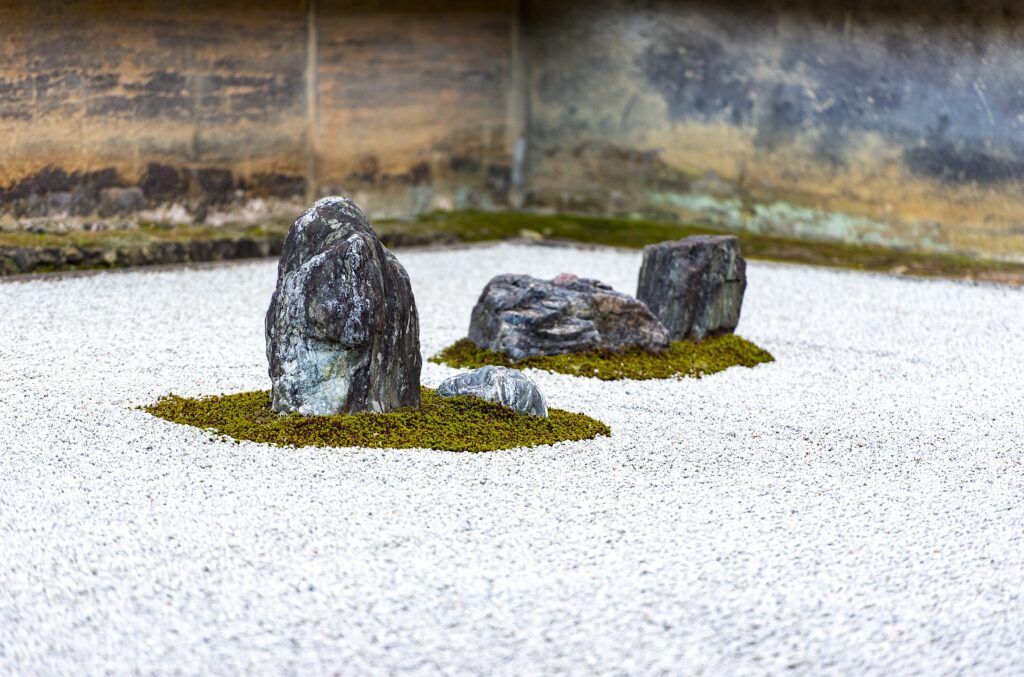
The most famous Japanese garden in the world, Karesansui at Ryoanji Temple, is pure Zen. Created in 1450, this contemplative space features 15 stones symbolically arranged over raked pebbles – and no one really knows the designer’s intention. View them from different angles, find your own meaning, and let the calm settle in.
Daigoji Temple
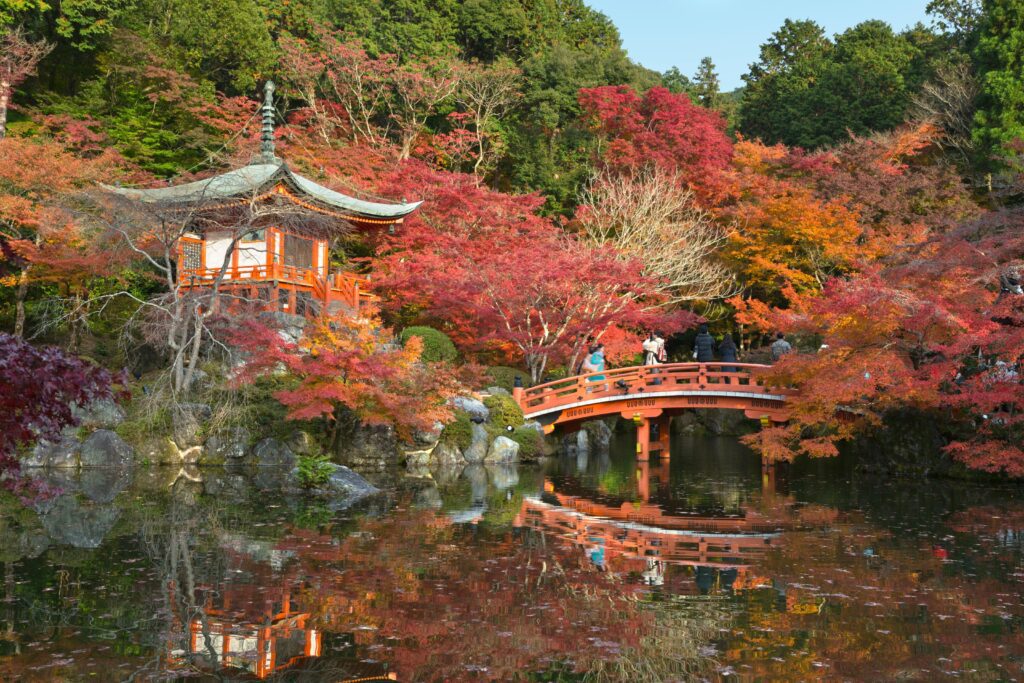
Stunning year-round, Daigoji Temple truly comes alive in autumn when the leaves burst with bright red and orange. This 9th-century monastery sprawls across Mt. Daigo with over 80 buildings, including Kyoto’s oldest surviving structure – a five-story pagoda. Don’t miss Sanboin Garden before you leave, showcasing over 800 stones dotting the landscape.
Nanzenji Temple Gardens

Nanzenji Temple is home to several renowned gardens with rock formations and scenic pond-strolling paths. Tenjuan Garden features a stunning pond surrounded by trees that explode with color in fall. Hojo Garden showcases a rock composition where stones represent a tiger and her cubs crossing water. Stop for tea at Konchi-in Temple on the outskirts for a refreshing pick-me-up.
Heian Jingu Shrine Garden
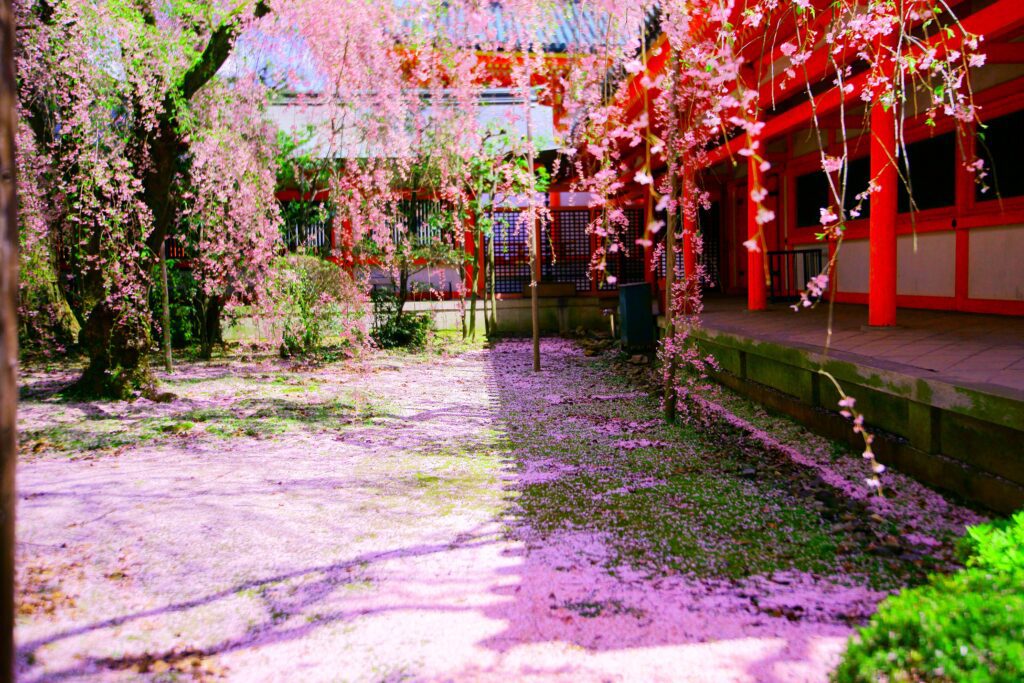
Come during cherry blossom season when the weeping trees at Heian Jingu Shrine Garden are splashed with spring color. The main courtyard is free, but the best gardens hide behind the shrine in the paid area. Explore four stroll gardens, each from a different era, with ponds, historic wooden buildings from the Kyoto Imperial Palace, and plenty of wildlife to watch.
Okochi Sanso Villa Stroll Garden
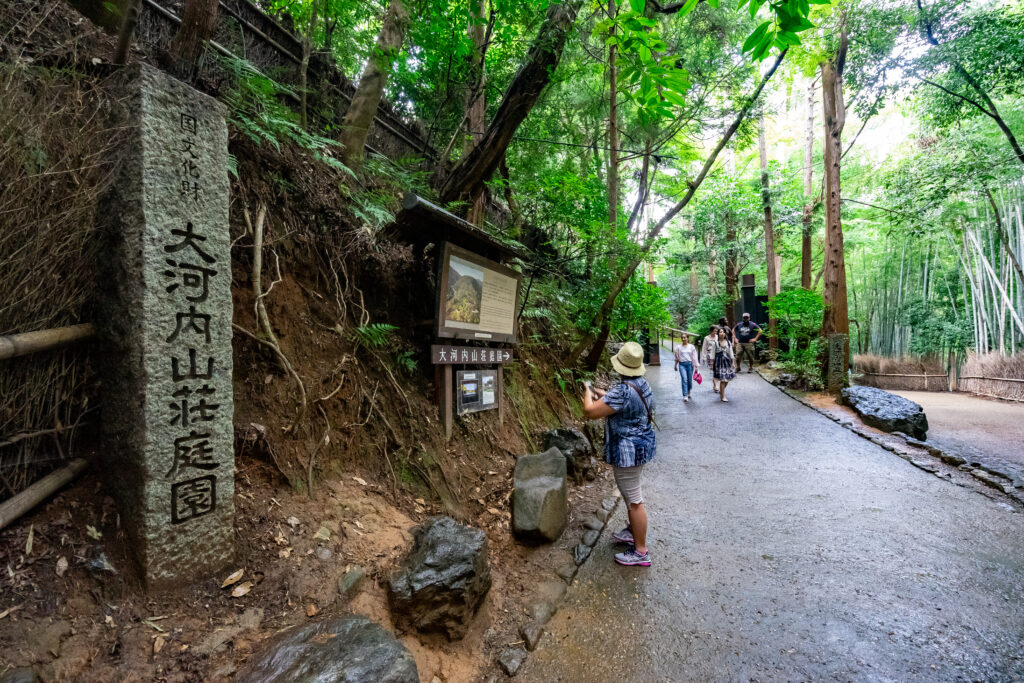
Once owned by samurai actor Denjiro Okochi, this expansive villa and garden complex offers panoramic views of the Hozugawa River and Mount Hiei. The admission includes matcha and a sweet treat, making it worth every yen. Stroll the grounds and watch the gardens evoke all four seasons of Kyoto in one sweeping landscape.
Katsura Imperial Villa Stroll Garden
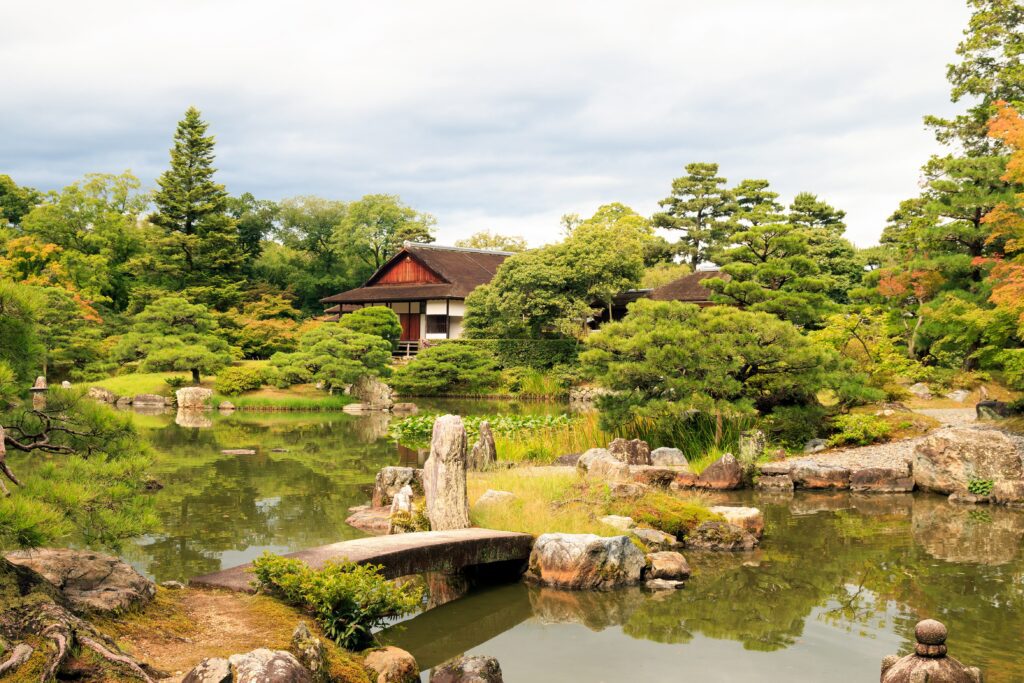
At Katsura Imperial Villa, architecture and landscape exist in quiet harmony. Built in the early 17th century, the villa’s teahouses, palace structures, and stone lanterns are carefully arranged around a central pond, showcasing refined Edo-period design. As you follow the strolling paths, each turn reveals a carefully framed view. Pause for tea and take it in; this is a place designed for slow steps and reflection.
Zuiho-in at Daitokuji Temple
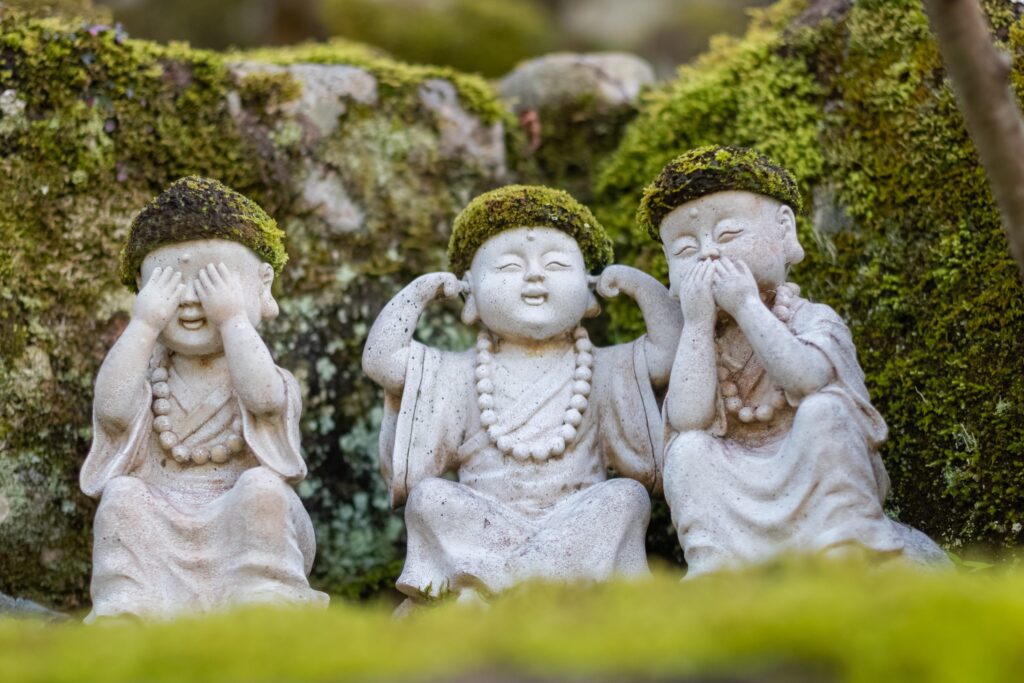
Tucked within the Daitokuji temple complex, Zuiho-in stands out for its rare amalgamation of Zen design and subtle Christian symbolism. According to the official Ryōan-ji website, the temple is most famous for its iconic Zen rock garden, believed to have been created in the late 15th century. You’ll also find more than 500 statues of all shapes and sizes on the grounds.
Silver Pavilion Shogun Stroll Garden
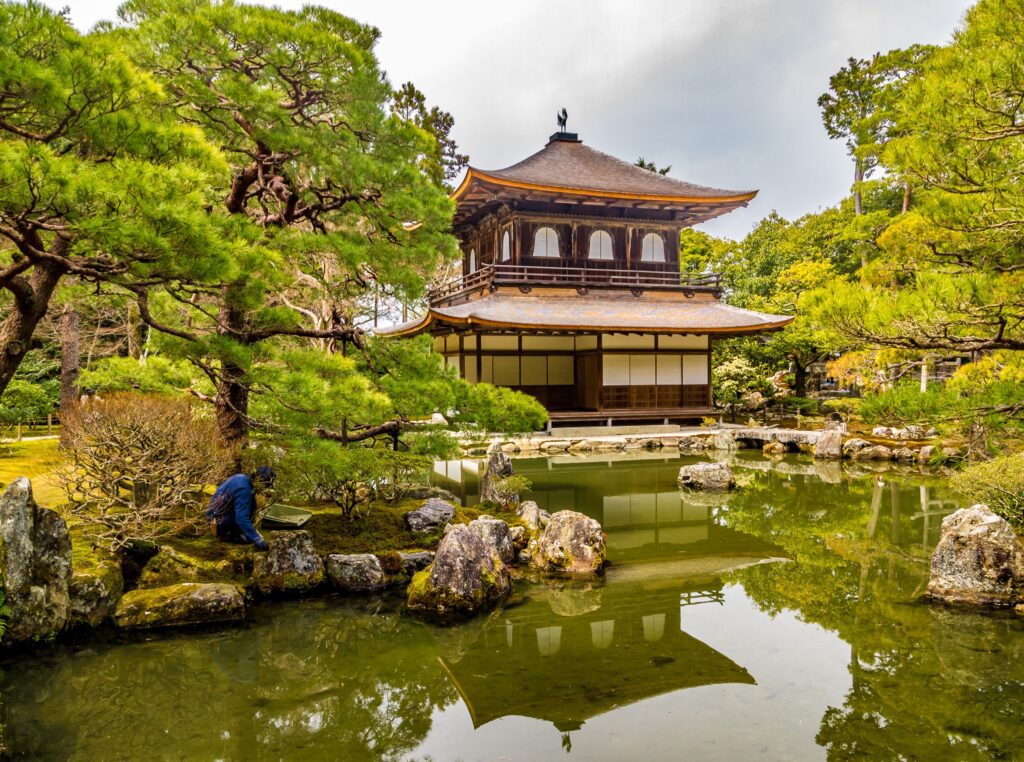
Though often busy, the Silver Pavilion rewards those who linger. This 15th-century Zen temple features a placid pond garden, serpentine paths, and sweeping views over Kyoto. One of its most iconic features is the Sea of Silver Sand, a precisely raked gravel garden said to reflect moonlight. Even among the crowds, there are instances of silence waiting to be found.
Taizo-in at Myoshinji Temple

Taizo-in at Myoshinji Temple is stunning year-round, but it feels especially magical during cherry blossom season. A blooming sakura tree stands near the crossroads of four Zen rock gardens, creating a scene that feels practically cinematic (you’ll want to bring your camera). Beyond that, you’ll find quiet ponds, small waterfalls, and carefully placed rock formations.
Hojo Garden at Tofukuji Temple
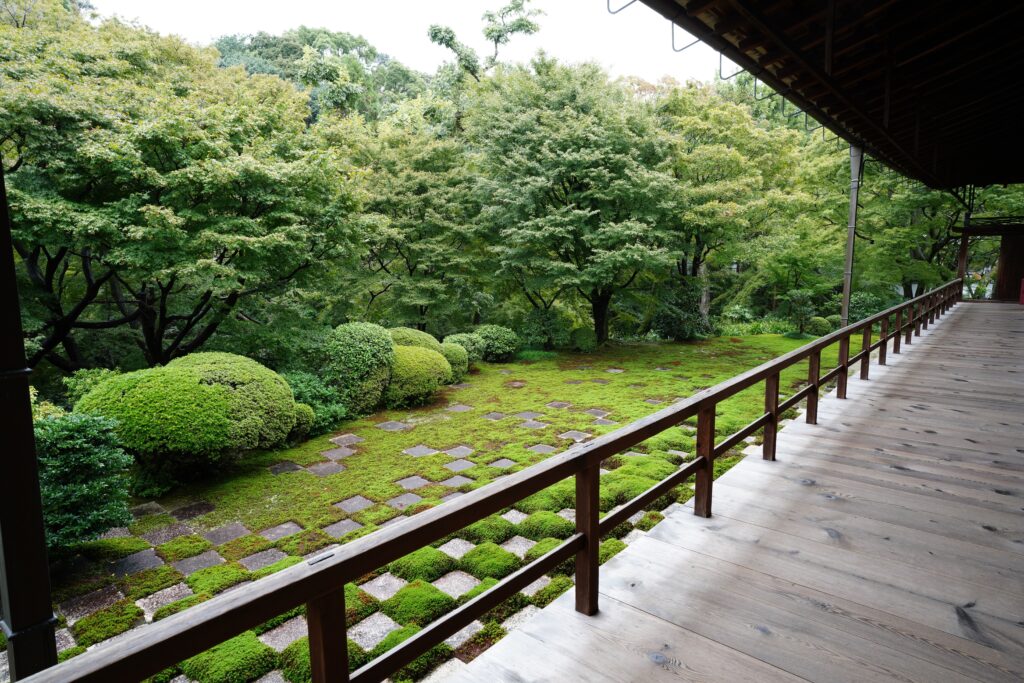
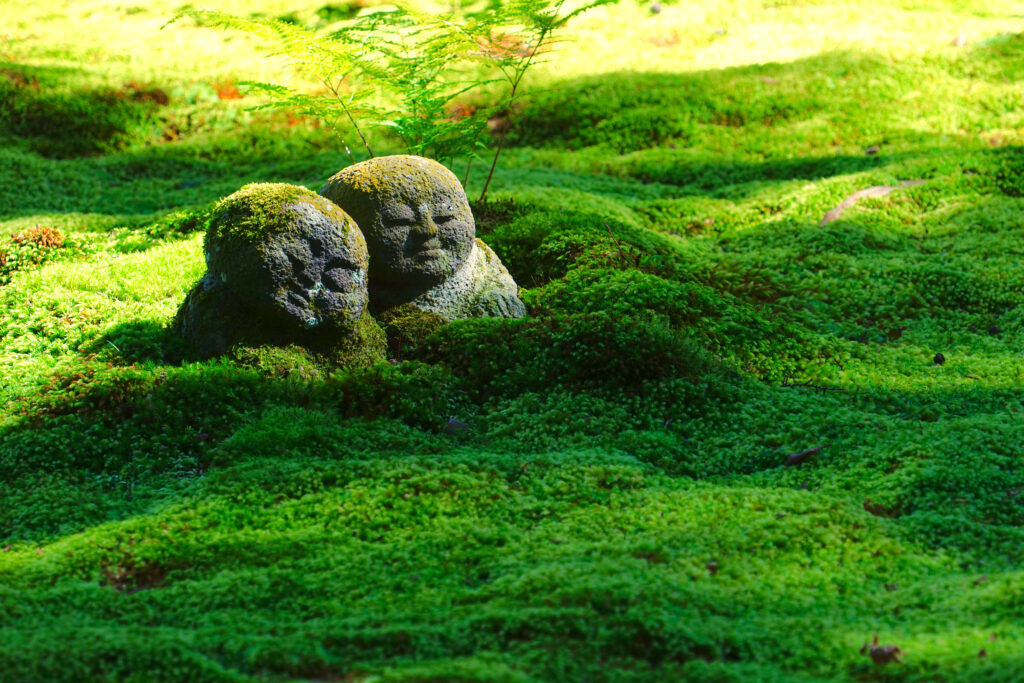
One admission, four gardens. The chief priest’s chamber at Tofukuji Temple is surrounded on all sides. The South Garden depicts Chinese mythology, with white sand representing the sea. East Garden features seven stone columns for the Big Dipper. West Garden’s checkerboard azaleas represent rice fields. North Garden’s moss-covered patterns gradually fade to green, representing the spread of Buddhism.